Types of maple trees

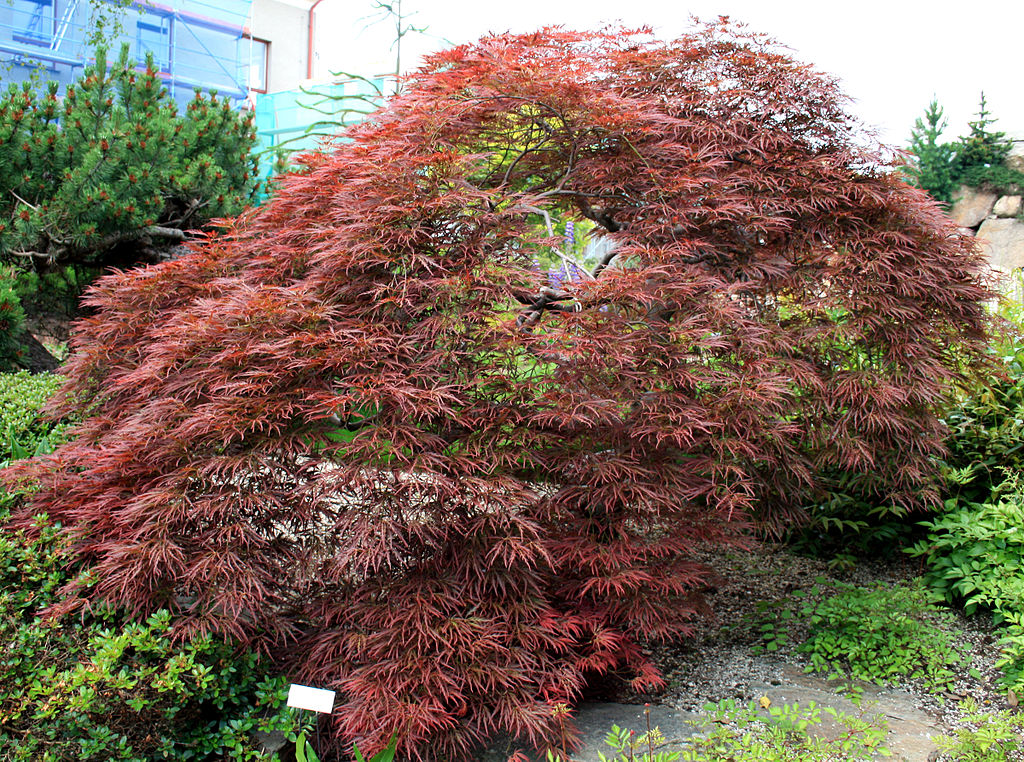
Maple trees belong to the genus Acer, and there are over 125 species worldwide. Most homeowners only need to know about seven of them. These are the maples you’ll actually find at nurseries, actually want in your yard, and actually be able to maintain without calling an arborist every other month.
I’ve grown three different maple species on my property over the years. Some have been great. One was a mistake I’m still paying for. Here’s what I’ve learned about each species, what they cost, where they grow best, and which ones to avoid.
Japanese Maple (Acer palmatum)
This is my favorite tree. Period. If you’ve read anything else on this site, you already know that.
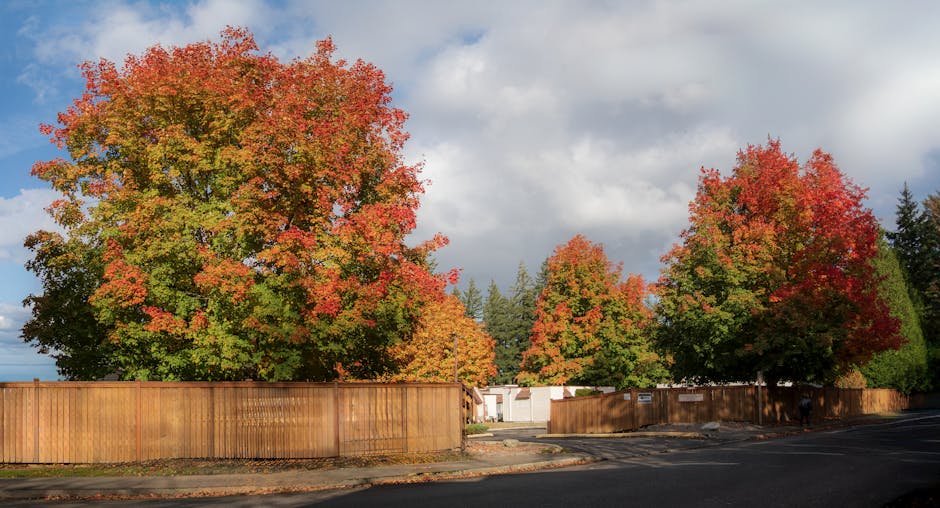
Japanese Maples are small, slow-growing trees that top out at 10 to 25 feet depending on the cultivar. Most popular varieties stay under 15 feet. Growth rate is 6 to 12 inches per year. They’re hardy in Zones 5 through 8, and they handle the warmer parts of Zone 9 if you give them afternoon shade.
The variety among cultivars is staggering. ‘Bloodgood’ has deep burgundy-red leaves all season and is the single most popular Japanese Maple sold in the United States. ‘Emperor One’ holds its dark red color even in summer heat. ‘Fireglow’ is similar but more upright, and it tolerates more sun than most red-leaved cultivars. ‘Corollonium’ has striking orange-pink new growth in spring that fades to green by summer. ‘Sango-kaku’ (Coral Bark) has salmon-red bark that glows in winter, making it the only Japanese Maple worth looking at in January.
Laceleaf and weeping varieties
If you want something really compact, weeping varieties like ‘Crimson Queen’ and ‘Tamukeyama’ stay under 8 feet and spread into sculptural mounds. These are perfect for small yards, patios, and containers. ‘Viridis’ is the green-leaved version of ‘Crimson Queen’ and turns gold and orange in fall. For a truly tiny spot, ‘Shaina’ stays under 6 feet with dense, compact branching.
Care and soil
Japanese Maples want fertile, well-drained soil with a pH between 5.5 and 6.5. They don’t like wet feet or heavy clay. Morning sun with afternoon shade is ideal in hot climates (Zones 8 and 9). In cooler zones (5 through 7), full sun works fine. They resist most diseases and pests, though they’re the most susceptible maple to verticillium wilt. The University of California’s WUCOLS guide rates Japanese Maple as “Moderate” water use for Sacramento Valley and other inland California regions, which means you need to keep watering through summer even after the tree is established. Don’t let anyone tell you these are drought-tolerant in the Central Valley. They will crisp in August without regular irrigation.
Water deeply once a week during the first two summers. After that, they handle moderate drought in cooler zones but still need regular irrigation in Sacramento and other hot inland valleys. Mulch with 2 to 3 inches of shredded bark, but keep it 4 inches away from the trunk. Fertilize lightly in early spring (March) with a slow-release balanced fertilizer. Too much nitrogen produces leggy growth.
Pruning
Prune Japanese Maples in late winter (February) before new growth starts. Remove dead wood, crossing branches, and anything growing inward. The goal is to open up the interior so light and air reach the inner branches. Never top a Japanese Maple. It ruins the natural form that makes these trees worth planting.
Cost: $80 to $150 for a 3-gallon nursery specimen. $300 to $600 for a mature 5-to-6-foot tree. Rare cultivars like ‘Mikawa yatsubusa’ or ‘Shin deshojo’ can run over $1,000.
My take: If I could only plant one tree, this is it. They live well over 100 years, they look good in every season, and they never outgrow a residential lot. If you have a small yard, read our guide to the best trees for small yards and you’ll see why Japanese Maple leads the list there too. They’re also the most popular species for bonsai, if that interests you.
Red Maple (Acer rubrum)
Red Maple is the most common native maple in eastern North America. Its natural range runs from southeastern Canada all the way to southern Florida, which tells you something about its adaptability. It’s the most planted maple in home landscapes, and for good reason. The fall color is spectacular, ranging from soft orange to deep scarlet depending on the cultivar.
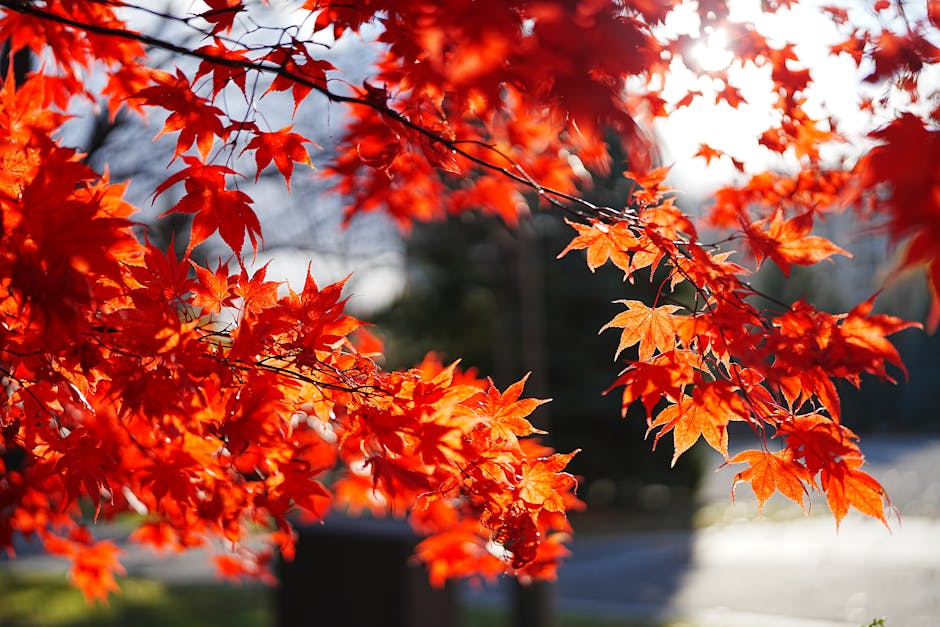
Red Maples grow 40 to 60 feet tall with a 30-to-40-foot spread. Growth rate is moderate to fast, about 1 to 2 feet per year once established. They’re hardy in Zones 3 through 9. Lifespan is around 150 years.
Best cultivars for home landscapes
‘October Glory’ is the standard recommendation for reliable red fall color. It holds its leaves later than most Red Maples, giving you an extra week or two of fall show in November. ‘Red Sunset’ colors up earlier (mid-October in most zones) and is a better choice in northern areas where early frosts can cut the season short. ‘Autumn Blaze’ is technically a hybrid (Red Maple crossed with Silver Maple, sold as Acer x freemanii) that grows faster and tolerates drier soil. It’s become one of the most overplanted trees in the country, which means you’ll see a lot of them, but the fall color is consistently good.
‘Brandywine’ is worth seeking out if you want something different. It produces reddish-purple fall color instead of the typical scarlet.
Spring interest
Red Maples are the first maple to flower in spring. The small red flowers appear in February or March, before the leaves emerge. They aren’t showy from a distance, but up close they’re a welcome sign of the season turning. The red samaras (helicopter seeds) follow in April and May.
Wood and structure
The wood is classified as “soft” for a hardwood. It’s used in furniture but isn’t as strong as Sugar Maple. For homeowners, that means branches can break in ice storms more easily than some other species. If you live in an area that gets ice storms, have a certified arborist thin the crown every 5 to 7 years. Budget $400 to $800 for that, depending on the tree’s size. Our guide on when to trim your tree covers the best timing.
Soil: Adaptable. Handles wet soil, clay, sandy loam, and acidic conditions. Does fine in urban settings with compacted soil. Red Maples actually grow faster in acidic soil (pH below 7.0). In alkaline soil, they can develop manganese chlorosis, with leaves turning yellow between the veins. That chlorosis problem is real in the Sacramento Valley, where soil pH often runs 7.5 to 8.0. Get a soil test before planting. If your pH is above 7.5, pick a different maple or plan on acidifying amendments for the life of the tree.
Water: WUCOLS rates Red Maple as “Moderate” water use for inland California. In the Sacramento Valley, plan on regular deep watering through summer even for established trees. Red Maple handles wet soil better than any maple on this list, but it still needs consistent moisture to look its best in zone 9 heat.
Watch out for: Surface roots. Red Maples send roots right along the surface, especially in clay soil. They’ll buckle sidewalks, invade flower beds, and make mowing difficult. Give them a wide mulch ring (at least 6 feet diameter) and don’t plant them within 15 feet of a sidewalk or driveway. Check our advice on the best trees to plant near sidewalks before you pick your spot.
Cost: $100 to $300 for a 10-to-12-foot nursery tree. Named cultivars run toward the higher end.
Sugar Maple (Acer saccharum)
Sugar Maple is the tree on the Canadian flag and the source of real maple syrup. It’s also one of the best fall color trees on the planet. The leaves turn bright yellow, orange, and red, sometimes all three on the same tree at the same time. The color is more varied and warmer than Red Maple’s, which tends toward pure red.
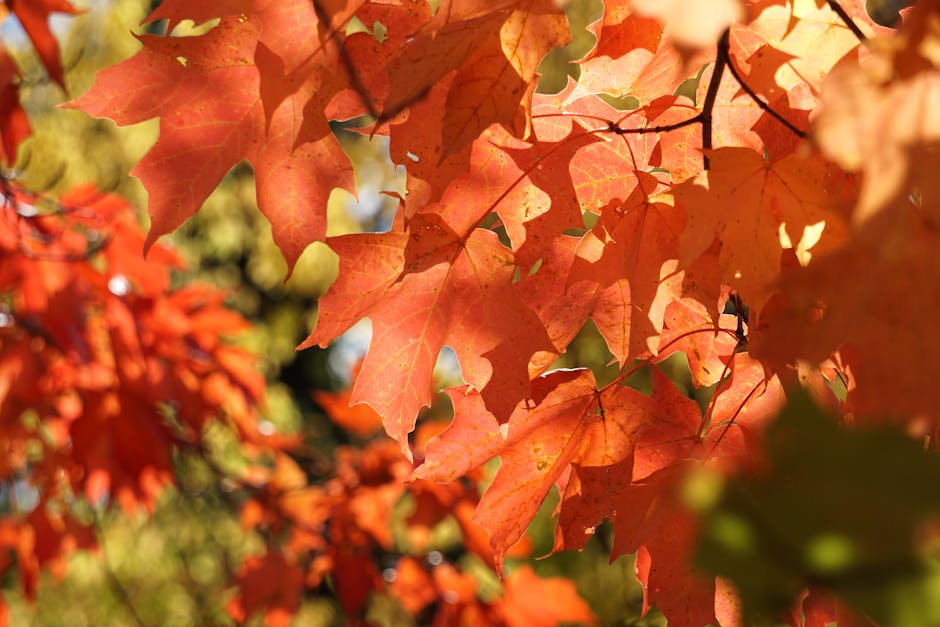
Sugar Maples are big trees. They grow 50 to 75 feet tall with a dense, rounded crown 40 to 50 feet wide. Growth rate is slow to moderate, about 12 to 18 inches per year. Zones 3 through 8. Lifespan is 200 to 300 years. That’s not a typo. Plant one for your grandchildren.
Best cultivars for home landscapes
‘Legacy’ is considered the best cultivar for residential use. It has a strong central leader, resists leaf tatter from wind, and colors up reliably every fall. It also handles heat and drought better than the straight species. ‘Green Mountain’ is similar and works well into Zone 8. ‘Commemoration’ has faster growth (up to 2 feet per year) and excellent branch structure.
Avoid the species (non-cultivar) trees from big box stores. They’re seed-grown, so you don’t know what fall color you’ll get. Named cultivars are grafted from trees with proven performance.
Shade tolerance
Sugar Maples are shade-tolerant, which is unusual for a large tree. Young Sugar Maples will grow under the canopy of larger trees and wait for an opening. In a forest, they’ll survive for decades in deep shade, then surge when a gap opens up. This makes them useful in partly shaded yards where other large trees would sulk. If you want a great shade tree for a yard that already has mature trees, read our guide to the best shade trees.
Soil and site requirements
Sugar Maple prefers well-drained, slightly acidic soil (pH 5.5 to 7.3). Does not handle compacted soil, road salt, air pollution, or drought as well as Red Maple. This is not an urban tree. It belongs in suburban and rural yards with room to grow and clean air. If your property is within 30 feet of a salted road, choose a different species.
Be honest with yourself if you live in the Sacramento Valley or elsewhere in inland California. Sugar Maple struggles here. The combination of alkaline soil, dry heat, and low humidity is the opposite of what this tree wants. WUCOLS rates it “High” water use for inland regions, meaning you will water it all summer long for its entire life. The UC Davis Arboretum campus has specimens, but they need careful siting and supplemental irrigation. If you want that spectacular fall color in the Central Valley, ‘Legacy’ and ‘Green Mountain’ cultivars handle heat better than the straight species, but even they are a commitment compared to a Chinese Pistache or Red Maple.
The International Society of Arboriculture (ISA) recommends planting Sugar Maples at least 25 feet from structures and 15 feet from power lines, given their mature size.
Maple syrup
Yes, you can tap a Sugar Maple for syrup. You need cold nights (below freezing) followed by warm days (above 40 degrees F) to get sap flow. The season runs from late January through March, depending on your latitude. It takes about 40 gallons of sap to make one gallon of syrup. A mature tree produces 10 to 20 gallons of sap per season.
Fun project, but don’t plant a Sugar Maple just for syrup unless you live in New England or the Upper Midwest. The Sacramento Valley doesn’t get cold enough for good sap flow.
Cost: $150 to $400 for a 10-to-12-foot tree. ‘Legacy’ and ‘Green Mountain’ cultivars are at the higher end.
Norway Maple (Acer platanoides)
Here’s where I get honest: Norway Maple is popular, widely available, and I don’t recommend it for most homeowners. If I had to put it on a list, it’d be on our trees you should never plant page.
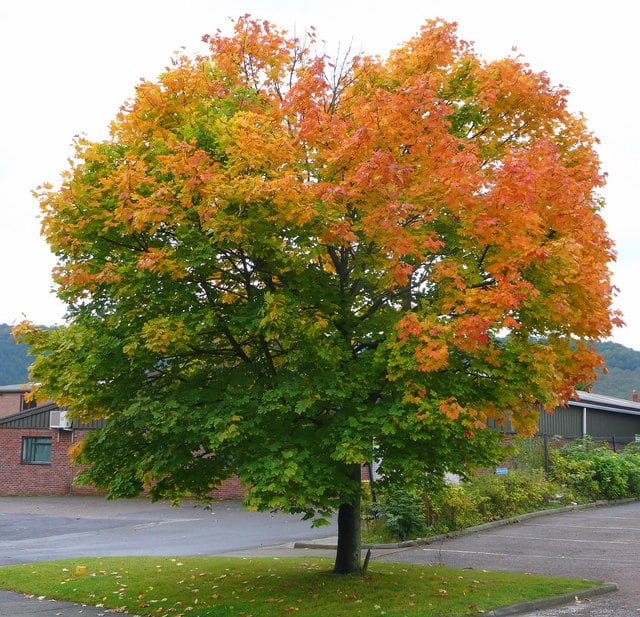
Norway Maples grow 40 to 50 feet tall and just as wide. That dense, rounded canopy looks great in a park. In a residential yard, it creates such heavy shade that nothing grows underneath it. No grass, no flowers, no groundcover. Just bare dirt and exposed roots.
Why arborists don’t recommend it
The root system is aggressive and shallow. Norway Maples will crack driveways, invade sewer lines, and strangle nearby plants by outcompeting them for water and nutrients. The dense canopy blocks so much light that even shade-tolerant grasses die beneath it.
The tree also self-seeds aggressively. Each tree produces thousands of winged samaras every year. In many northeastern and midwestern states (Massachusetts, New Hampshire, Connecticut, New York, Wisconsin, Minnesota), Norway Maple is classified as an invasive species. It’s already escaped into native forests and is displacing native Sugar Maples and Red Maples.
Hardy in Zones 4 through 7. Tolerates pollution, poor soil, drought, and urban abuse better than almost any other maple. That’s why cities planted millions of them in the 1950s through 1980s. Most arborists now wish they hadn’t.
Fall color
The fall color is yellow. Just yellow. Not the brilliant multi-toned display you get from Sugar Maple or Red Maple. Adequate, not remarkable. ‘Crimson King’ is a purple-leaved cultivar that looks dramatic in summer but turns a muddy brown in fall. ‘Deborah’ has reddish new growth that fades to green.
How to identify one
Break a leaf stem. Norway Maple exudes a milky white sap. No other common maple does this. The leaves are broader and flatter than Sugar Maple’s, with fewer, more widely-spaced lobes.
My take: If you already have one, keep it maintained and know that it’ll cost $500 to $1,000 to remove when it eventually becomes a problem. If you’re choosing a new tree, pick a Red Maple, Sugar Maple, or any of the other species on this page instead. The Norway Maple’s problems outweigh its toughness.
Cost: $150 to $300. Cheap because nurseries grow them fast and easy.
Amur Maple (Acer ginnala)
Amur Maple is a small tree, maxing out at about 20 feet tall and 20 feet wide. That compact size makes it useful for small yards, screening, and hedge rows. Hardy in Zones 2 through 8, which means it handles winter lows down to minus 50 degrees F. If you live in North Dakota or northern Minnesota, this is one of the few maples that won’t die.
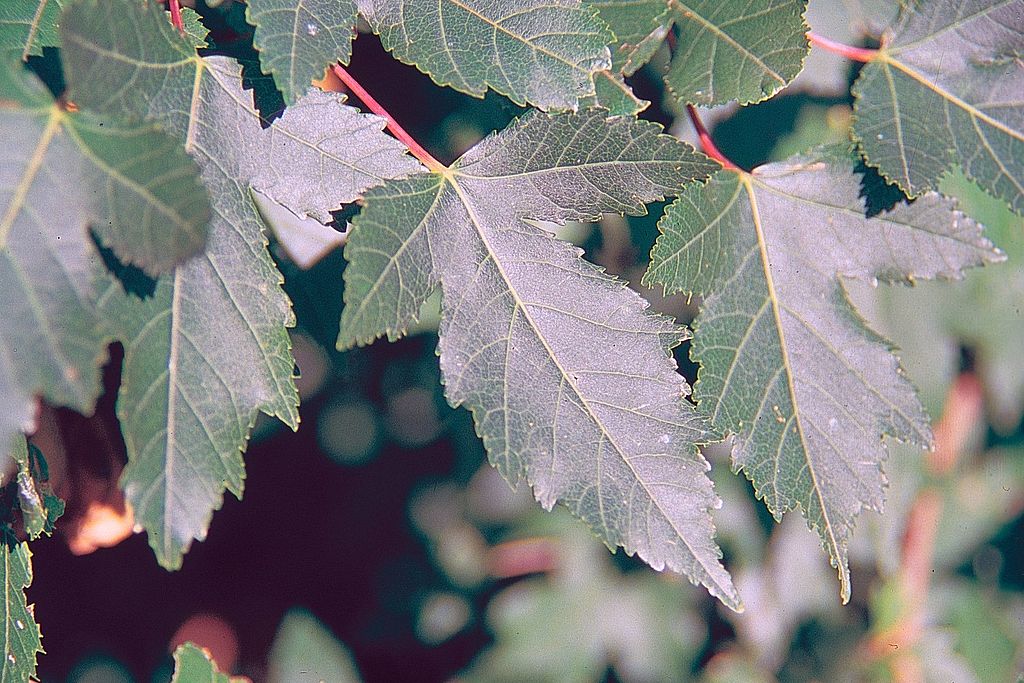
The fall color is a brilliant red, sometimes scarlet. On a good year in a sunny location, a mature Amur Maple in full fall color will stop you in your tracks. The color develops best in full sun. In shade, you’ll get yellow instead of red.
Growth rate is moderate, about 1 to 1.5 feet per year. It tolerates full sun to partial shade and isn’t picky about soil. It handles drought, wind, alkaline conditions, and urban stress without complaint. The fragrant white flowers in spring attract pollinators, and the red-winged samaras add summer interest.
Multi-stem vs. single trunk
Amur Maple naturally grows as a multi-stemmed large shrub. Most nurseries train it to a single trunk for use as a small tree. Either form works. The multi-stem form is better for screening and privacy hedges. The single-trunk form is better as a standalone specimen or street tree.
The invasive problem
Amur Maple is becoming invasive in parts of North America, particularly in the Upper Midwest and Northeast. It self-seeds freely, and the seedlings establish fast in disturbed soil, woodland edges, and meadows. Several states (Indiana, Illinois, Wisconsin, New Hampshire, Massachusetts) have added it to their invasive or watch lists.
Before you plant one, check your state’s invasive species list. In many areas, Hedge Maple or Tatarian Maple (Acer tataricum) are better choices for the same role without the invasive risk.
Cost: $40 to $100 for a 5-gallon container. One of the most affordable maples.
Hedge Maple (Acer campestre)
Hedge Maple is the most underappreciated maple on this list. It grows 25 to 35 feet tall with a dense, rounded crown. Growth rate is slow, about 12 inches per year. Zones 4 through 8.
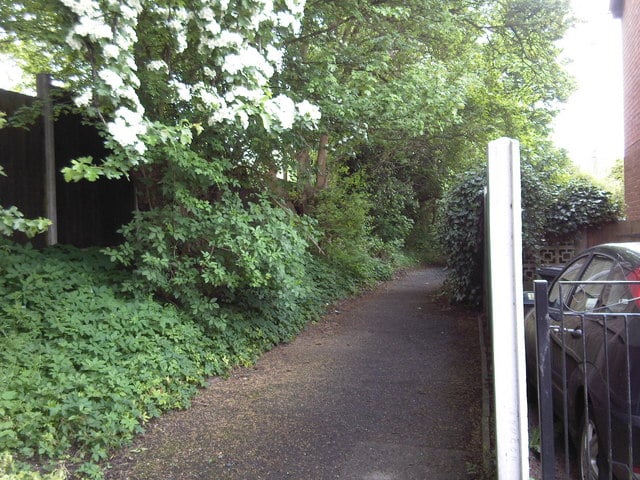
The name comes from its use in European hedgerows, where it’s been planted for centuries. It responds well to heavy pruning, which makes it useful as a formal hedge, a screen, or a standalone specimen kept at a manageable size. You can prune it to 8 feet tall and it won’t mind. Try that with a Red Maple.
Toughness
Hedge Maple handles things that kill other trees: compacted soil, air pollution, drought, alkaline soil (up to pH 8.0), and road salt. It’s one of the toughest small-to-medium maples available. The ISA lists it as a recommended urban tree for exactly these reasons. WUCOLS rates Hedge Maple as “Low” water use for inland California, which is remarkable for a maple. Once established in the Sacramento Valley, it gets by on minimal supplemental irrigation. That alone makes it the smartest maple pick for water-conscious NorCal homeowners.
If your soil is heavy clay and your property is on a busy road, Hedge Maple might be the only maple that thrives.
Appearance
The fall color is yellow. Not spectacular, but clean and consistent. The bark develops a corky texture with age that’s interesting in winter, giving the branches a winged appearance similar to Winged Euonymus. The leaves are smaller than most maples (2 to 4 inches across) and create a fine-textured canopy that filters dappled light rather than blocking it completely.
‘Queen Elizabeth’ is the most commonly sold cultivar. It has a more upright, uniform shape than the species and better fall color.
My take: If you want a maple that’s small enough for most yards, tough enough for urban conditions, and doesn’t come with the invasive baggage of Amur Maple, Hedge Maple is your tree. It won’t make anyone gasp in October, but it’ll look good, stay healthy, and never cause you a headache.
Cost: $100 to $250. Sometimes hard to find at big-box stores. Try a real nursery or order from a mail-order grower.
Paperbark Maple (Acer griseum)
Paperbark Maple is a collector’s tree. It grows 20 to 30 feet tall with a rounded, upright form. Zones 4 through 8. Growth rate is moderate, about 1 to 1.5 feet per year, though it’s faster than most sources claim once it gets established in good soil.

The bark
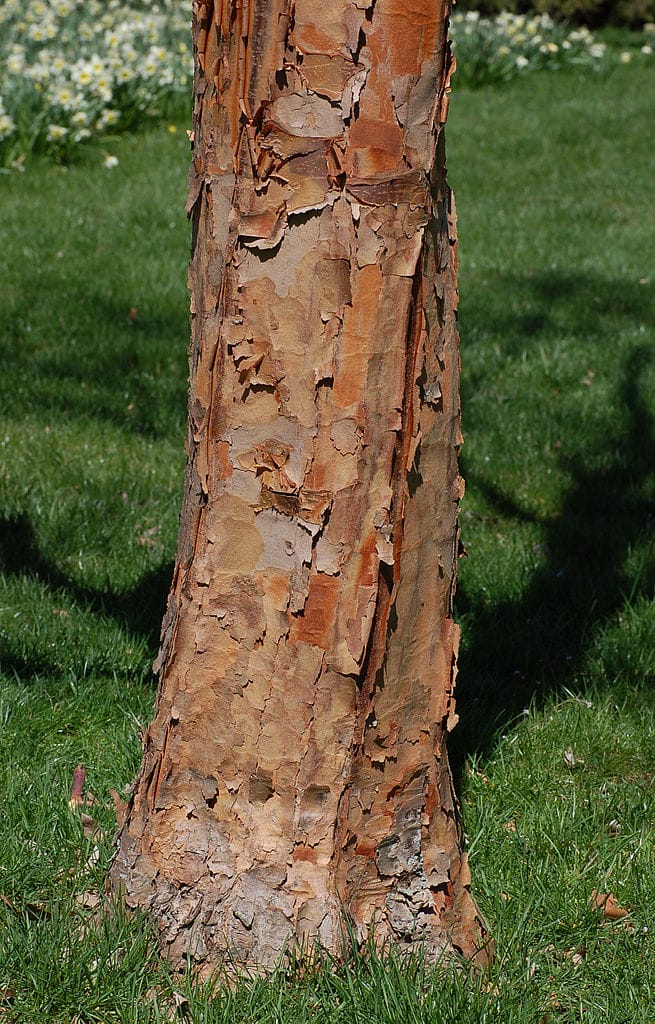
The bark is the main attraction, and it’s unlike anything else you can plant. It peels in thin, papery sheets to reveal cinnamon-brown new bark underneath. The peeling starts on young branches when the tree is only 3 to 4 years old. In winter, when most trees are forgettable, Paperbark Maple looks like a piece of sculpture. The effect is especially striking with late afternoon sun hitting the trunk, when the translucent curls of bark catch the light.
Don’t peel the bark yourself. Let it curl naturally. Pulling it off can damage the cambium underneath.
Leaves and fall color
Fall color is a mix of red and orange. The leaves are smaller than most maples, with three leaflets (called trifoliate) rather than the typical single lobed leaf. It’s a subtle tree, not a showstopper from a distance, but anyone who walks up to it will spend five minutes touching the bark.
Culture
Paperbark Maple adapts to most soil types (pH 5.0 to 7.5) and tolerates partial shade. It’s relatively pest-free and disease-free. Water it regularly during the first two years, then it handles moderate drought. For the best fall color trees that also provide winter interest, Paperbark Maple is in a class by itself.
Availability
The only real downside is availability. Paperbark Maples are slow to propagate because the seeds have low viability (often under 5% germination rate). Nurseries grow them from seed or grafts, both of which take time. Expect to search a bit and pay more. Call local nurseries in advance rather than showing up hoping to find one.
Cost: $150 to $400 for a 6-to-8-foot tree. Worth every dollar.
Quick comparison
| Species | Mature Height | Growth Rate | Zones | Fall Color | Best For |
|---|---|---|---|---|---|
| Japanese Maple | 10-25 ft | Slow (6-12 in/yr) | 5-8 | Red, orange, gold | Small yards, patios, specimens |
| Red Maple | 40-60 ft | Fast (1-2 ft/yr) | 3-9 | Red, scarlet | Large yards, shade, fall color |
| Sugar Maple | 50-75 ft | Slow-moderate (12-18 in/yr) | 3-8 | Yellow, orange, red | Rural/suburban, fall color, syrup |
| Norway Maple | 40-50 ft | Moderate (1-2 ft/yr) | 4-7 | Yellow | (Not recommended) |
| Amur Maple | 15-20 ft | Moderate (1-1.5 ft/yr) | 2-8 | Red, scarlet | Cold climates, hedges |
| Hedge Maple | 25-35 ft | Slow (12 in/yr) | 4-8 | Yellow | Urban yards, hedges, tough sites |
| Paperbark Maple | 20-30 ft | Moderate (1-1.5 ft/yr) | 4-8 | Red, orange | Specimen, winter interest |
How to plant a maple tree
All seven species follow the same basic planting process. Get this right and you save yourself years of problems.
Dig the hole two to three times the width of the root ball but no deeper. The root flare (where the trunk widens at the base) should sit at or slightly above the surrounding soil level. Burying it too deep is the number one killer of newly planted trees. I’ve seen more maples die from deep planting than from any disease.
Plant in fall (October through November) or early spring (February through March) when the tree is dormant. Fall planting is better in Zones 7 through 9 because the roots establish through winter. Spring planting is better in Zones 3 through 5 because it gives the tree a full growing season before the first hard freeze. Our tree planting tips page covers the full process step by step.
Water deeply once a week for the first two growing seasons. “Deeply” means 10 to 15 gallons per watering, not a quick sprinkle with the hose. A slow-running hose at the base for 20 minutes works. After the second year, most maples are self-sufficient unless you’re in a severe drought.
Common pests and diseases
All maples are susceptible to a few problems worth knowing about.
Verticillium wilt is a soil-borne fungus (Verticillium dahliae) that clogs the tree’s vascular system. Symptoms include wilting and dying branches on one side of the tree, often starting in midsummer. Scratch the bark on a dying branch and look for olive-green streaking in the sapwood. There’s no cure. Remove infected branches with sterilized tools, fertilize to boost vigor, and hope the tree walls off the infection. Japanese Maples and Sugar Maples are the most vulnerable. Norway Maples are resistant, which is about the only nice thing you can say about them.
Anthracnose is a fungal disease that causes brown, dead spots on leaves in cool, wet springs. Sugar Maples and Red Maples get it most. It looks bad but rarely kills the tree. Rake fallen leaves in autumn to reduce the spore load. In severe cases, a certified arborist can apply a fungicide spray in early spring.
Aphids love maples. They coat leaves in sticky honeydew that attracts sooty mold (the black coating you see on leaves and anything parked under the tree). A strong hose spray knocks them off. Chemical treatment is rarely needed. Ladybugs are your best long-term defense.
Asian Longhorned Beetle (ALB) has devastated maple populations in parts of the Northeast (New York, Massachusetts, Ohio). If you see a large (1 to 1.5 inch), glossy black beetle with white spots and long antennae on your maple, report it to your state agriculture department immediately. Don’t try to handle it yourself. USDA has a hotline: 1-866-702-9938.
Tar spot causes black spots on maple leaves in late summer and early fall. It’s caused by the fungus Rhytisma acerinum and looks alarming but rarely harms the tree. It’s most common on Norway Maples and Silver Maples. Rake and dispose of infected leaves in fall to reduce next year’s spore load.
Girdling roots aren’t a disease, but they kill more maples than most diseases do. A girdling root wraps around the trunk at the soil line and slowly strangles the tree over 10 to 20 years. You can spot the problem if one side of the trunk enters the soil at a straight line (no flare). An arborist can sometimes cut the offending root. Prevention: plant at the right depth and remove any circling roots at planting time.
For more on keeping your trees healthy through the seasons, see our spring tree care checklist.
Frequently asked questions
What is the best maple tree for a small yard? Japanese Maple. It stays under 25 feet, never develops destructive roots, and looks good year-round. For yards under 3,000 square feet, choose a weeping cultivar like ‘Crimson Queen’ that stays under 8 feet.
What is the fastest-growing maple tree? Red Maple, at 1 to 2 feet per year. The hybrid ‘Autumn Blaze’ grows even faster, up to 3 feet per year in ideal conditions. Silver Maple (Acer saccharinum) grows fastest of all (3 to 5 feet per year) but is too brittle and messy for residential yards.
Are maple tree roots invasive? Norway Maple has the most aggressive roots. Red Maple and Silver Maple also produce surface roots that can buckle pavement. Japanese Maple, Hedge Maple, and Paperbark Maple have well-behaved root systems that won’t damage foundations or sidewalks.
When should I plant a maple tree? Fall (October-November) in Zones 7-9. Early spring (February-March) in Zones 3-6. Avoid planting in summer heat.
Do maple trees need a lot of water? For the first two years, yes. Water deeply once a week. After that, most maples handle normal rainfall. Sugar Maple is the most drought-sensitive of the common species. Red Maple tolerates wet soil better than any other maple on this list.
The bottom line
If you’re choosing a maple for a small yard, go with Japanese Maple. No contest. For a large yard with room for a shade tree, Red Maple is the safest bet, with Sugar Maple as the better choice if you have well-drained soil and clean air. Hedge Maple is the smart pick for tough urban sites. Paperbark Maple is for people who appreciate trees the way some people appreciate art.
Skip the Norway Maple. Check your local invasive list before planting Amur Maple. To compare maple varieties side by side with detailed species profiles, or to explore the best trees for fall color beyond just maples, those guides go deeper on each pick. And whatever you plant, give it room, give it water, and give it time. Maples reward patience.